Steel enamel composite material
The excellent chemical resistance of enamel to acids, alkalis and neutral organic media allows for a very wide range of applications. The smooth surface and greatly reduced dead space at the joints of the enamel components facilitate cleaning of the system and also offer good resistance to abrasive media.
The steel enamel we manufacture to the highest European standards is the result of decades of research and development in our own laboratory with our own enamel melting facility. The steel used is subject to the strictest analysis limits.
The bond is created during controlled firing by physical interlocking of the flowing enamel with the defined rough surface of the steel on the one hand and, on the other hand, by the chemical process that leads to the oxidation layer between the steel and the base enamel.
The bond remains stable across the transformation points of the steel during heating and cooling. The rule is seven firings at up to 850°C for top enamel.
The enamel
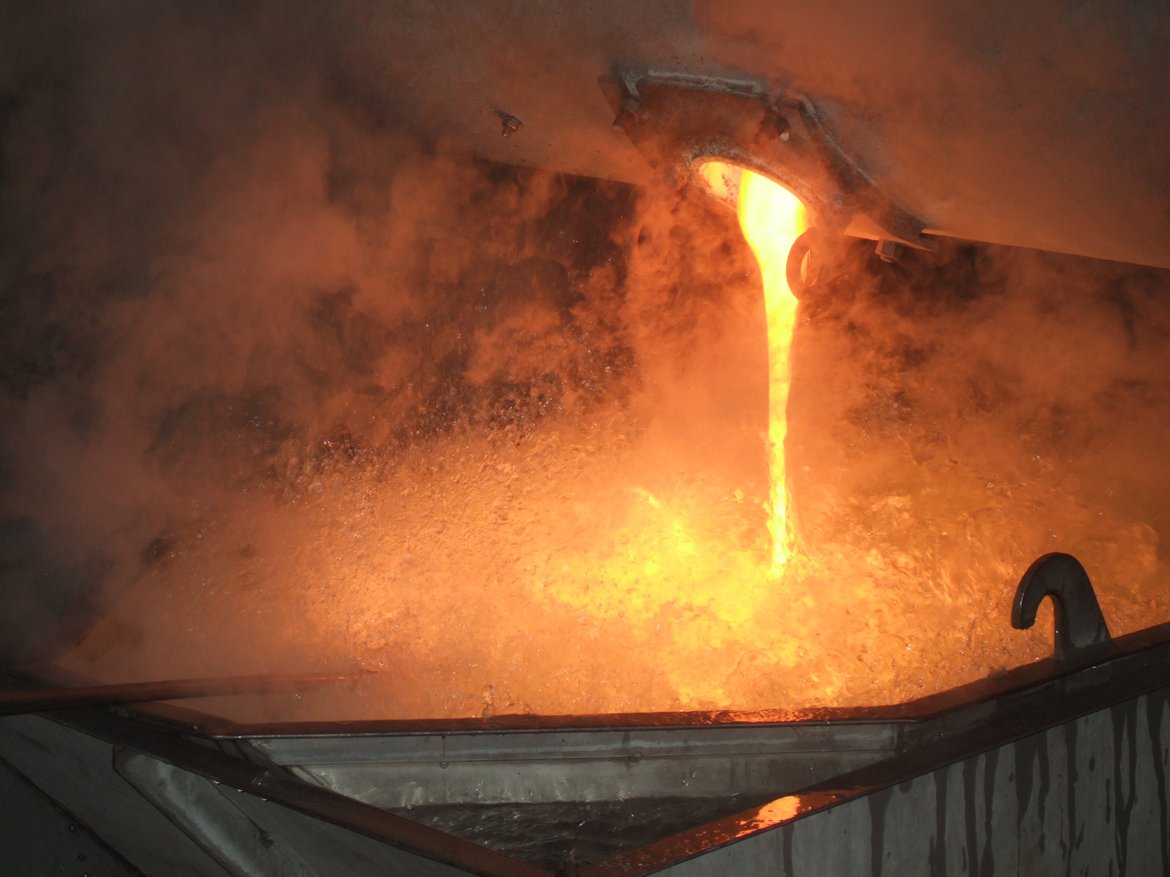
Enamels are melted according to individual recipes in our own or external melting facilities from approx. 15 raw materials at approx. 1,400 °C. Quality assurance is carried out in the laboratory according to standardised procedures.
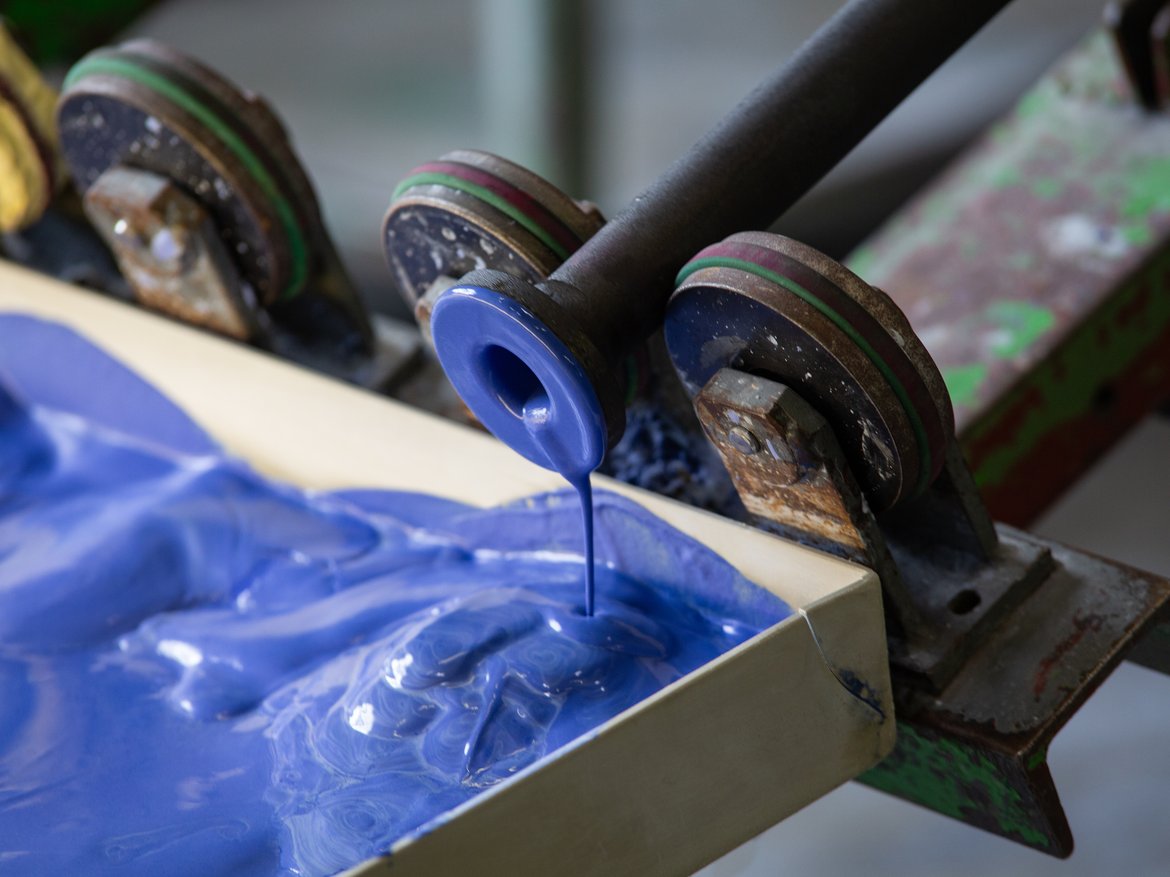
Each manufacturer uses its own technology to prepare the enamel into a workable slip. Ball mills ensure the desired fineness and mixing of the carrier material, enamel, adjusting salts and water to the desired viscosity. The final sieving process removes any impurities from the slip.
The steel
Carbon steel used for enamelling is procured with strictly limited analysis and quality assurance. Welding consumables are subject to the same requirements. During forming and welding, only minimal structural changes may occur. Weld seams must be free of pores and inclusions.
Seams and outgassing steel show hardly any structural changes. The design must ensure that the oversized wall thicknesses prevent burning. Necessary wall thickness changes during the heating and cooling phases in the transformation phases must not cause any lines or cracks to form in the enamel.
Enamelling
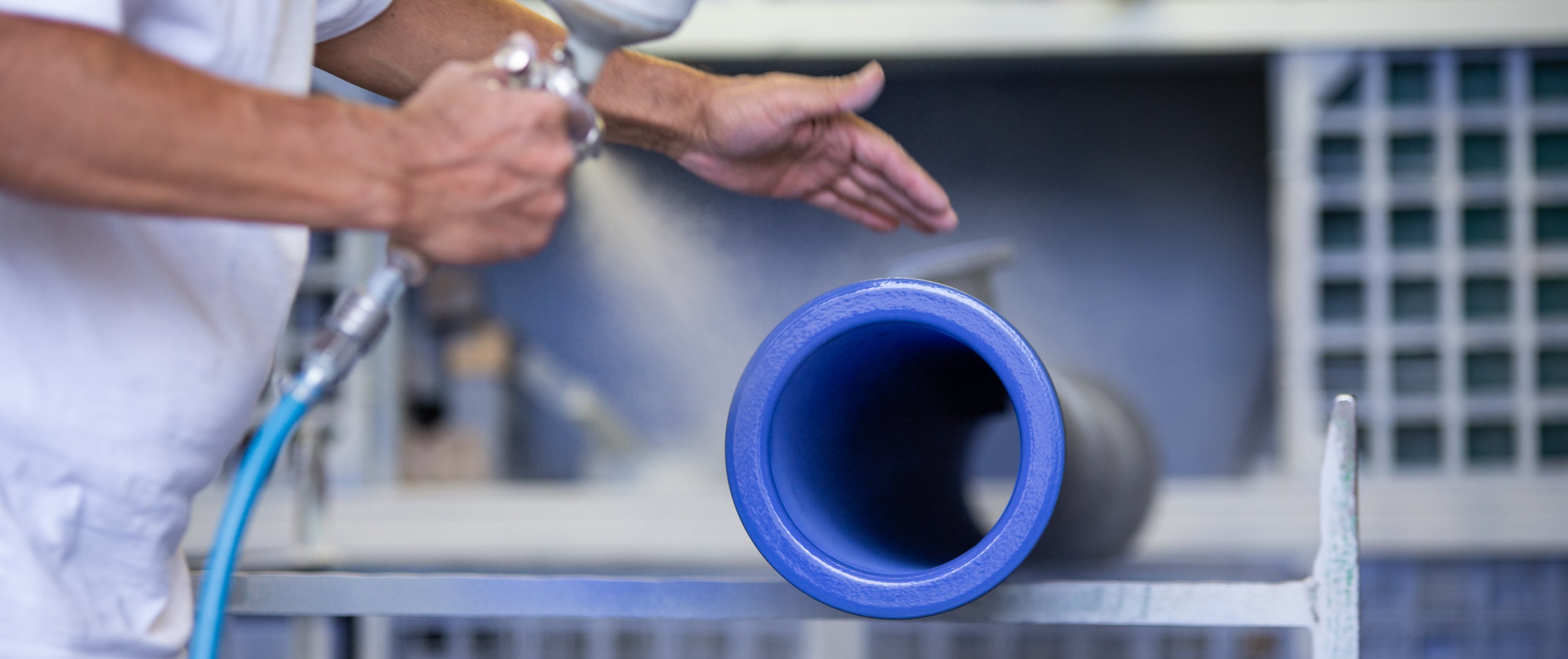
A basic distinction is made between thin-layer enamelling (6-7 applications and firing) and thick-layer enamelling (3-4 applications and firing).
Estrella always uses the thin-layer process to ensure a high-quality bubble structure and thus the longevity of the components. The aim is to achieve a base enamel thickness of approx. 0.4 mm (not chemically resistant) and a top enamel thickness of approx. 0.8–1.4 mm. The permissible total layer thicknesses are 1.0–2.2 mm, and 0.8–2.0 mm for small parts. The firing temperature of the base enamel is approx. 100 °C higher than that of the top coat.
Depending on the enamel design, temperatures of 800–850 °C are used for the top coat. DIN standards specify the quality criteria for the enamel layer and the permissible firing distortions of the components.
Inspection and acceptance
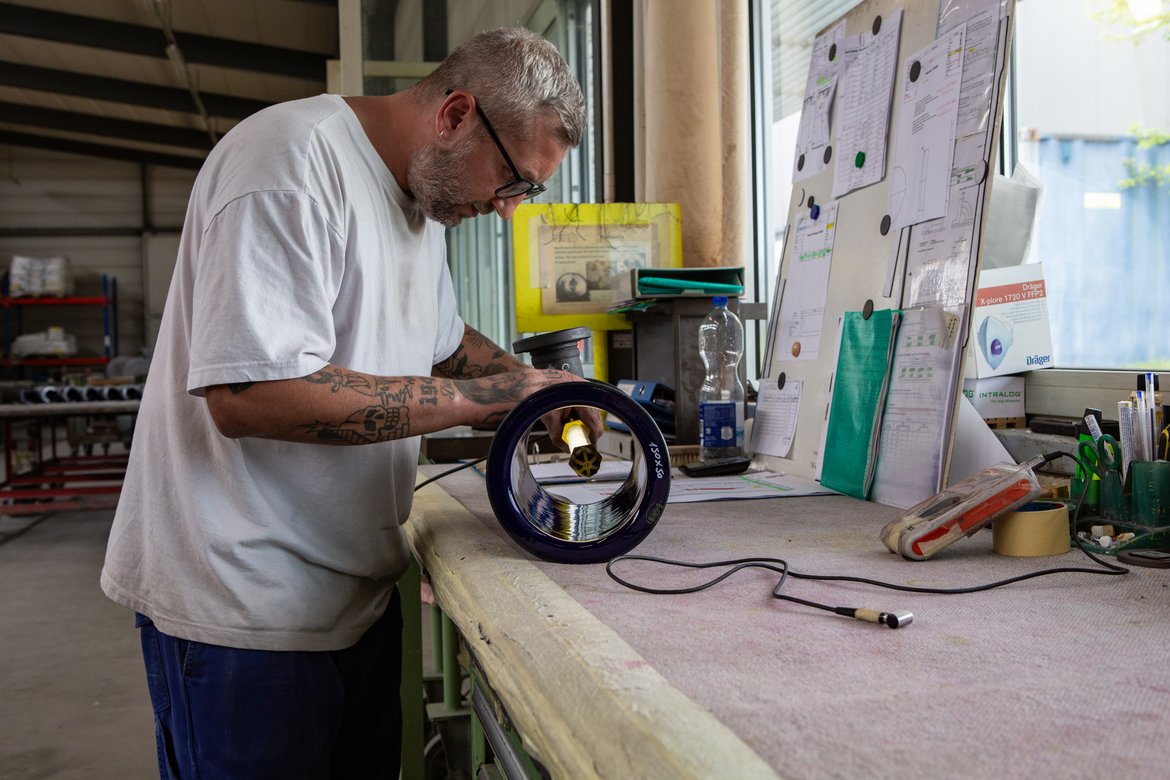
After eight intermediate inspections during production, the final inspection with the corresponding test reports completes the production process. The customer officially inspects the components again with expert inspectors, stamps the components and approves the packaging and delivery. The transfer of risk is defined in the customer order.